









When to Seal Coat a Commercial Parking Lot in the Pacific Northwest
If you manage a commercial property anywhere between Vancouver, BC and Portland, you already know the Pacific Northwest doesn't give you much of a construction season. What you may not know is that your parking lot has an even narrower window than your roof or your landscaping. Commercial parking lot seal coating depends on sunshine and sustained warmth — two things this region rations carefully — and once the fall rain sets in, the job is off the table until next year.
This isn't a scheduling inconvenience. Skip the window and you're not just delaying a cosmetic touch-up; you're leaving the pavement exposed through the wettest months of the year, right when water intrusion does the most damage. Here's what actually determines your deadline, why July and August are the sweet spot for Seattle, Portland, and Vancouver properties, and what changes if you wait.
1. The Real Deadline: Why Pacific Northwest Weather Sets Your Sealcoating Window
Sealcoat is an emulsion — it has to dry from the top down, drawing moisture out through the layers as heat and sunlight hit the surface. That process simply doesn't work in cold, wet, or overcast conditions, which is most of the Pacific Northwest calendar. According to the National Weather Service's climate data for Portland, nearly 90% of the region's annual rainfall falls between mid-October and mid-May — and only about 3% of it falls in July and August combined. That's the entire case for commercial parking lot seal coating in one statistic: the dry window is short, and it's already underway.
Once autumn arrives, the math flips fast. Weather data for the Vancouver, WA / Portland metro shows October bringing rain roughly 14 days out of the month with temperatures dropping into the low 60s — conditions that won't let a fresh seal coat cure properly, let alone hold up through the winter that follows.
2. The Temperature Rule Almost Every Property Manager Misses
Sealcoat manufacturers are consistent on this: daytime surface temperatures need to be at least 50°F and rising, with the ideal range sitting between 70°F and 90°F, for the material to bond and cure correctly. Apply it below that threshold and the coating won't adhere properly — it'll peel, thin, or wear away within a season, which means you paid for a treatment that never actually protected the pavement.
That's a narrower window than most people assume. In much of the Puget Sound and Willamette Valley, temperatures that consistently clear 70°F don't show up reliably until early summer, and they start slipping again as September turns to October. Combine that with the rainfall pattern above, and the realistic booking window for commercial asphalt maintenance in this region is roughly late June through early September — not the "spring through fall" window contractors quote in drier climates.
3. Why July and August Are the Best Months to Seal Coat in Seattle, Portland, and Vancouver
Put the rainfall data and the temperature rule together and July and August are the only stretch where both conditions line up reliably at once: warm enough to cure, dry enough to schedule around, with almost no risk of a surprise storm pushing the job into a wasted mobilization. That's true whether your property sits in Seattle, Portland, or Vancouver, BC — the I-5 corridor shares enough of the same marine-influenced climate that the calendar logic holds across all three markets.
Booking early in that window also gives you a buffer. If a job gets rained out or a crew has to reschedule, there's still time to recover before the weather turns. Book in September and you're gambling that the season holds a few extra weeks — a bet the Pacific Northwest doesn't always pay out on.
4. What Happens If You Wait Until Fall
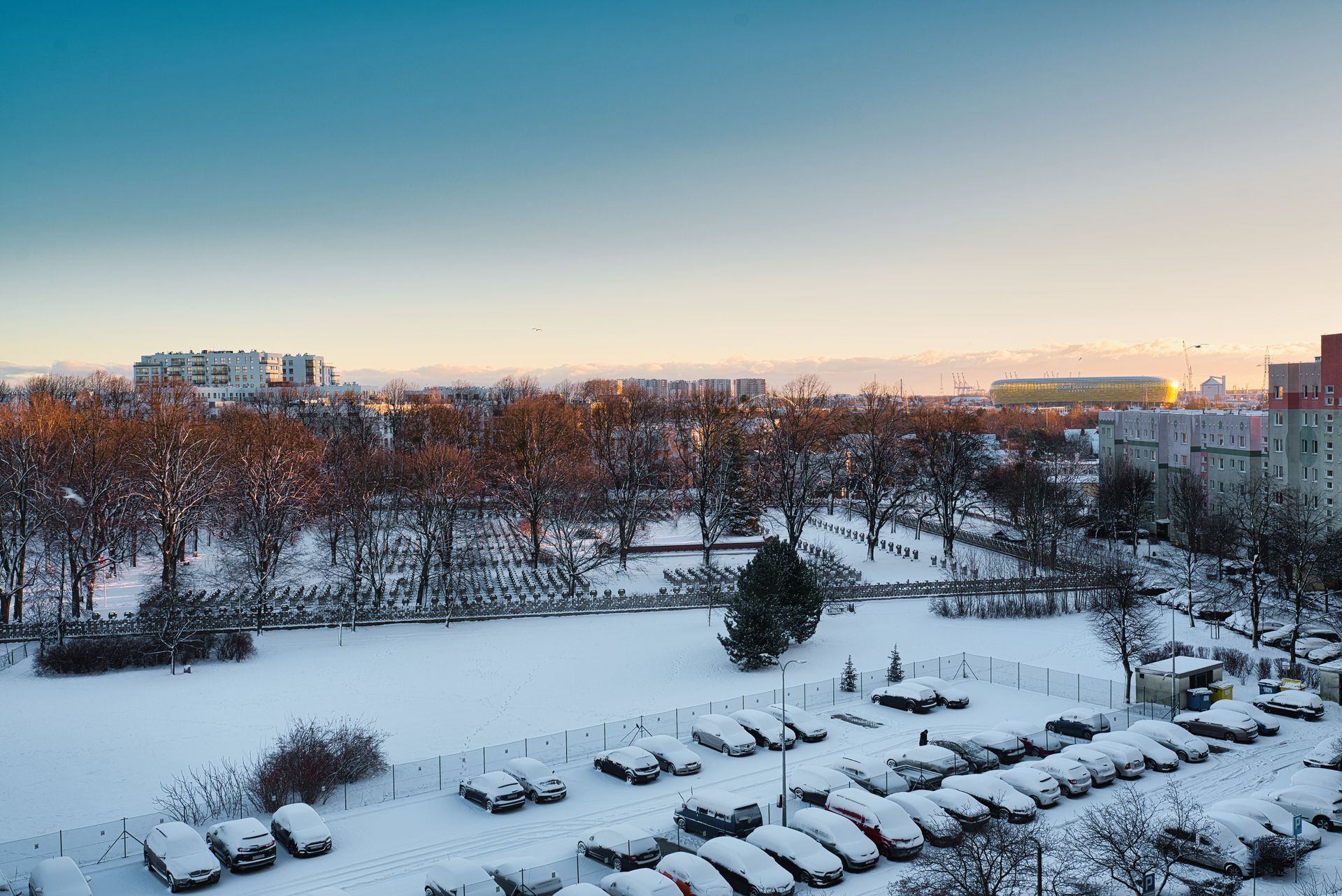
Waiting doesn't just mean a delayed cosmetic refresh. Unsealed asphalt left to face a Pacific Northwest winter is exposed to exactly the conditions that damage it fastest: standing water works into surface cracks, and repeated freeze-thaw cycles force those cracks wider. The Federal Highway Administration's own pavement-preservation guidance is direct about this — routine infiltration of water and debris is what deteriorates pavement and weakens the base beneath it, and timely seal treatments are the primary defense against it.
Practically, that means a lot that skips its seal coating this summer isn't just due for one next year — it may be due for crack repair first, adding cost and time to a job that would have been a single visit if it had been scheduled in the dry window.
5. What Seal Coating Actually Protects — Beyond the Look of the Lot
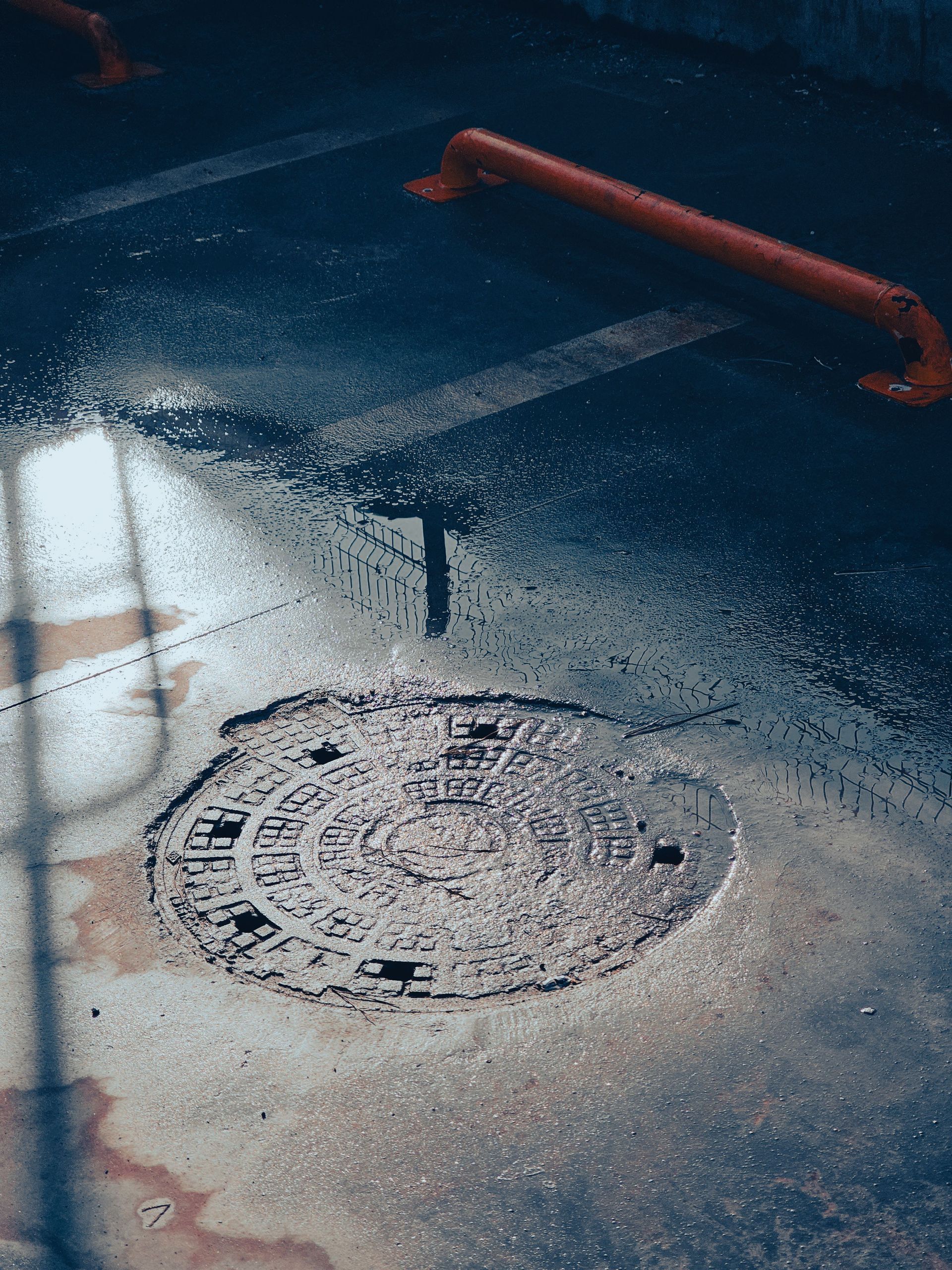
A freshly coated lot looks sharp, and that matters for curb appeal on a commercial property. But the coating's real job is to keep water, UV exposure, and vehicle fluids from breaking down the asphalt binder underneath. That's also why seal coating pairs naturally with drainage maintenance — a lot can be perfectly sealed and still flood if the catch basins feeding it are clogged with sediment and debris. Before the rain returns, it's worth having catch basin and drainage cleaning checked at the same time, since both jobs are working toward the same goal: keeping water off and out of your pavement structure through the winter.
6. How Invictus Northwest Group Handles a Commercial Seal Coating Project
Invictus Northwest Group has been protecting commercial properties across the Pacific Northwest since 1998 — 20,000+ projects and counting for property managers and ownership groups from Vancouver, BC down through Seattle and Portland. Asphalt and concrete maintenance is one of three specialized service lines under the Invictus umbrella, alongside drainage and — when the season turns — our winter snow and ice management program, which picks up right where the seal coating season leaves off.
Our crews plan seal coating projects around the same weather logic laid out above: no guessing, no applying material in marginal conditions that won't hold. If you want the specifics on how that plays out for your property, our team can walk through it directly — read more about Invictus Northwest Group or reach out to talk timing.
7. Frequently Asked Questions
How long does commercial seal coating last?
It depends on traffic volume and how well the coating was applied within the right temperature window, but most commercial property managers plan to reseal every few years as part of routine pavement maintenance rather than a one-time fix.
Can seal coating be done in the rain?
No. The material needs dry conditions to cure, and manufacturers typically require at least 24 to 48 hours of dry weather afterward before the surface can be exposed to rain or traffic — which is exactly why the Pacific Northwest's wet season rules it out.
Is it too late to seal coat if my property missed the summer window?
It's not too late to plan for it — early booking for next summer's window is the best way to avoid the scheduling crunch that hits every contractor in the region once the dry season narrows.
Does seal coating fix cracks in the pavement?
Not on its own. Cracks typically need to be filled or sealed separately before a full seal coat is applied, otherwise water can still get underneath the coating through existing damage.
The dry window for commercial parking lot seal coating in the Pacific Northwest is already open, and it closes faster than most property managers plan for. If your lot is due, the safest move is booking now rather than waiting to see how long the weather holds. Request a free estimate from Invictus Northwest Group and get on the schedule while the season is still working in your favor.
Recent Posts